
Collaboration
.jpg?sfvrsn=c652fc80_3 "ICD-11 Implementation, Astana, Kazakhstan,") The WHO-FIC Family of International Classifications Network comprises over 30 WHO collaborating centres. As governmental technical institutions managing health classifications in their countries, the centres contributed with technical expertise and operational experience to the development and maintenance of the International Classification of Diseases 11th Revision (IDC-11), the International Classification of Functioning, Disability and Health (ICF), and International Classification of Health Interventions (ICHI), including coding rules and implementation expertise.
The WHO-FIC Family of International Classifications Network comprises over 30 WHO collaborating centres. As governmental technical institutions managing health classifications in their countries, the centres contributed with technical expertise and operational experience to the development and maintenance of the International Classification of Diseases 11th Revision (IDC-11), the International Classification of Functioning, Disability and Health (ICF), and International Classification of Health Interventions (ICHI), including coding rules and implementation expertise.
The centres’ experience running national data systems ensured collaboration was grounded in real-world practice. Subject-matter specialists in reference groups ensured decisions reflected the best available knowledge. Their regional networks and training capacity enabled translation, dissemination and implementation across languages and health systems. They also submitted evidence-based proposals, helping ensure classifications kept pace with medical science.
WHO brought core strengths to the collaboration. It provided the normative leadership mandated by its constitution. This included establishing and revising international nomenclatures for diseases, causes of death and public health practices. Strong technical and information technology infrastructure supported this effort.
WHO ensured governance and oversight by implementing standardized update processes, ensure compliance and transparency.
Together, these contributions created a robust, globally coordinated system for developing and implementing international health classifications.
Contributions
The collaboration enabled continuous improvement of the international classification system, resulting in major updates to ICD, now ICD‑11, and the full development and release of ICHI, supported by beta testing and dedicated training tools.
It also drove significant progress in modernizing the ICF and strengthening the WHO Disability Assessment Schedule (WHODAS 2.0) as a standardized measure of functioning.
Together, these efforts produced statistical frameworks for mortality and morbidity reporting, along with crosswalks that link different classification systems, ensuring consistency.
Knowledge transfer
The collaboration delivered mutual benefits by combining WHO’s global mandate with the practical expertise of national and technical institutions. 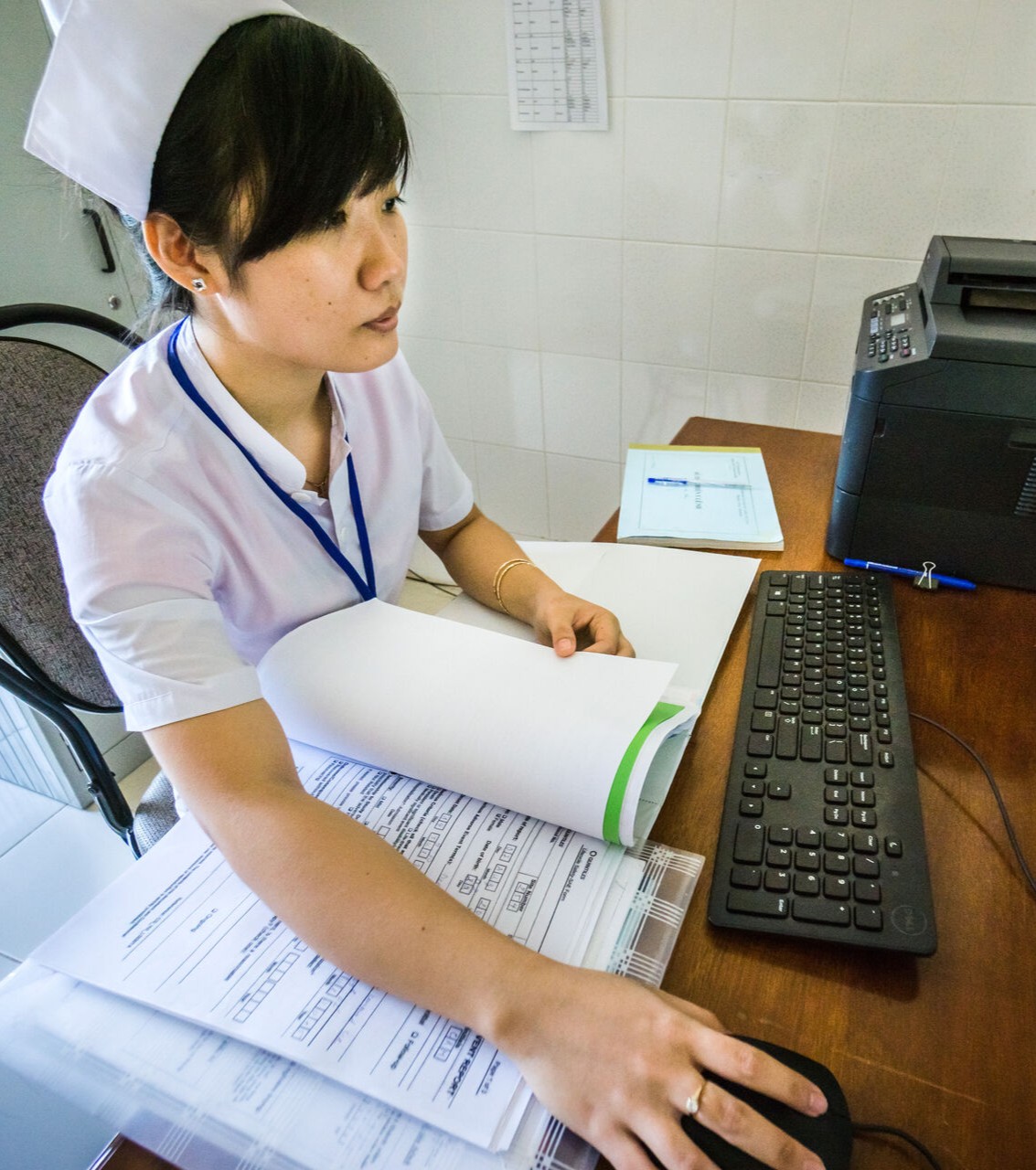
WHO gained access to specialized knowledge and hands‑on support for editing, reviewing and designing classification content, along with broad field‑testing across perse health systems that strengthened the reliability and responsiveness of ICD, ICF and ICHI.
The process also reinforced WHO’s legitimacy by ensuring strong Member State participation and allowing the Organization to respond more quickly to emerging needs.
For the collaborating centres, the partnership offered a direct role in shaping international standards used in their own countries, early access to updates and implementation guidance, and opportunities to deepen technical and methodological expertise through participation in expert groups. Since these centres manage domestic health information infrastructures, contributing to global standards reinforced and improved their national systems as well.
Countries benefited from practical implementation packages, comparison tools for ICD‑10 and ICD‑11 coding, extensive training materials, as well as digital resources and electronic tools that support integration into health information systems, along with expanded coder training and certification platforms.
This collaboration is structural to WHO’s ability to deliver on Sustainable Development Goals, universal health coverage and global health intelligence.
Strengthening the links between WHO‑FIC classifications and major clinical terminologies is a key next step to support smoother integration across digital health systems. There is also substantial potential to broaden informatics services to integrate health classifications into modern digital platforms. Another important area for growth is enhanced support to low‑resource settings, where often hands‑on guidance to adopt, implement and use the classifications effectively is required.