
Collaboration
 As part of the Global Influenza Surveillance and Response System (GISRS), WHO collaborating centres and essential regulatory laboratories play a central role in global influenza surveillance and vaccine response, providing the scientific and regulatory backbone needed to detect emerging strains and guide vaccine composition.
The network currently includes seven WHO collaborating centres located in Australia, China, Japan, Russian Federation, United Kingdom of Great Britain and Northern Ireland, and the United States of America, forming an integrated system that supports timely analysis, coordinated action and a consistent global approach to influenza preparedness and response.
The network’s contributions have ensured the smooth implementation of WHO’s mission on influenza surveillance, preparedness and response, while also reinforcing WHO’s leadership within GISRS and across the broader global influenza community, including engagement with private‑sector stakeholders.
Contributions
Each centre contributed distinct strengths that collectively reinforced the effectiveness of the collaboration.
They brought advanced technical capabilities, including high‑cost laboratory operations, maintenance of biosafety level‑3 and higher facilities and the capacity to conduct animal studies.
They also contributed cutting‑edge scientific knowledge and up‑to‑date expertise at the forefront of research and development.
They also provided support to GISRS on country‑level capacity‑building activities and the provision of updated reagents, candidate vaccine viruses.
Together, these contributions enhanced the solidity, credibility and overall confidence underpinning WHO’s recommendations, guidance and leadership in this area.
On the other hand, the designation has maintained the centres’ global visibility on the subject of influenza, strengthened their status in their countries and allow them to secure sustainable domestic funding for their own institutional capacity strengthening.
Knowledge transfer
The collaboration generated significant knowledge and expertise exchange that directly strengthened WHO’s programmes.
It enabled the biannual WHO recommendations on influenza vaccine composition for northern and southern hemispheres, supported the updating of guidance and protocols essential to GISRS operations, and ensured the timely sharing of scientific findings, particularly during outbreak emergencies. 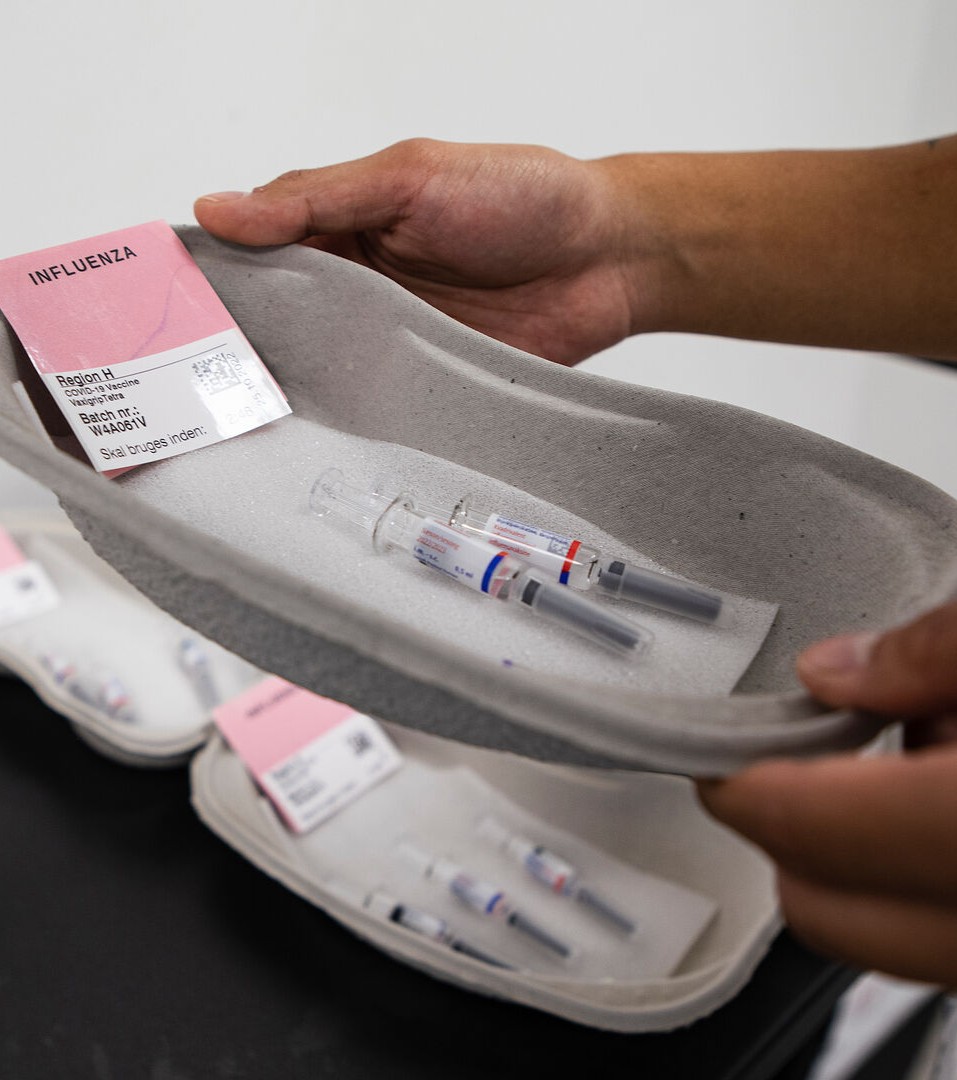
The network’s work also facilitated the provision of updated reference materials, including laboratory reagents, candidate vaccine viruses and reference panels, that underpin national and global laboratory operations. New technologies were systematically monitored, reviewed by the collaborating centres, introduced across the GISRS network.
Together, this exchange enhanced the quality, consistency and responsiveness of WHO’s surveillance and preparedness activities, reinforcing the organization’s ability to guide Member States and coordinate the global influenza response.
The collaboration also shaped thinking about future projects, as the depth of expertise within the network demonstrated how their capabilities can be leveraged for additional initiatives under consideration, in particular to strengthening GISRS capacities for other respiratory threats, offering a way forward for broader and more integrated surveillance and preparedness efforts.
Looking ahead, additional support could further enhance this work, especially with the inclusion of three newly designated or soontobedesignated WHO Collaborating Centres in Senegal, South Africa and Hong Kong Special Administrative Region, China, which are expected to contribute to GISRS capacity building with a strong focus on low and lowermiddleincome countries.